
The Higher The Building, The Greater The Savings
University of Liverpool MegaFan case study
Dr. James Forrest and Prof. Ieuan Owen
Some Of The Largest And Tallest Buildings In The World Are Airports
Terminals, concourses and aircraft hangars enclose enormous volumes of air that must be heated, cooled and kept comfortable from the first flight to the last. MegaFan HVLS fans move that air gently and efficiently, cutting heating and cooling energy while improving comfort for passengers and staff.
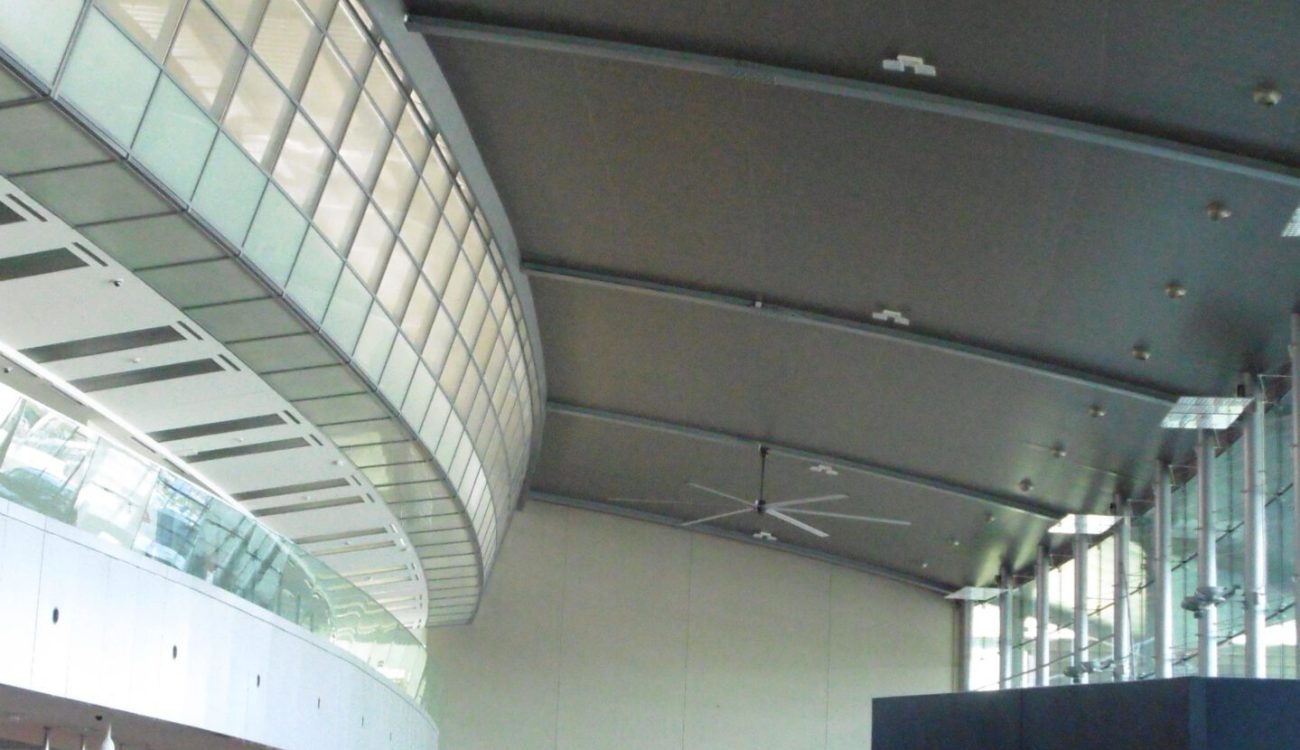
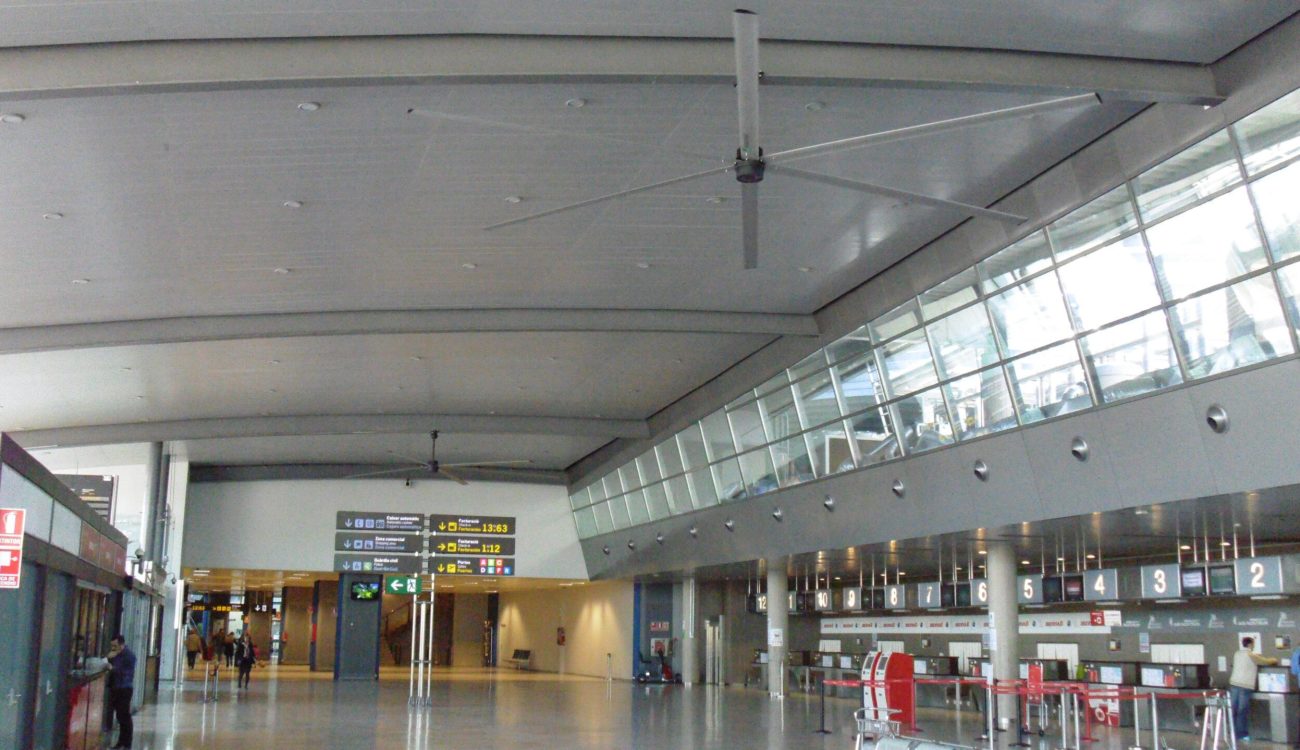
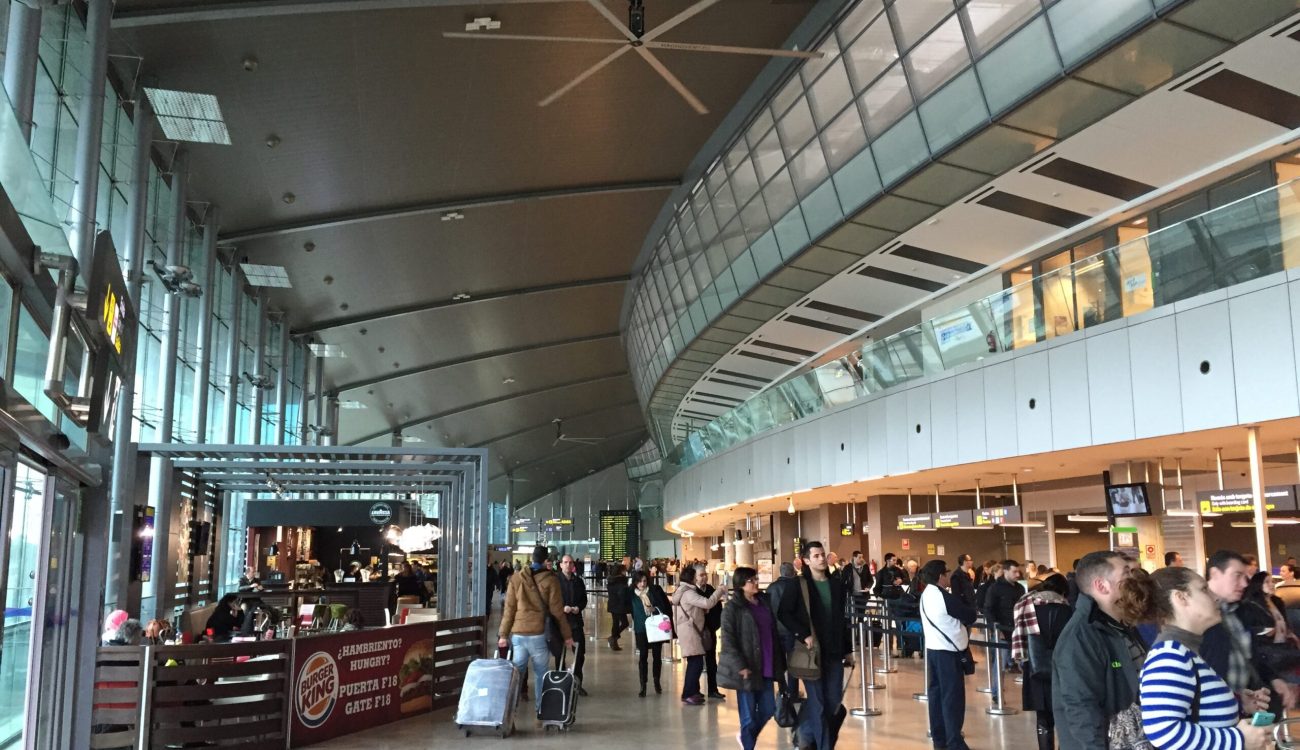
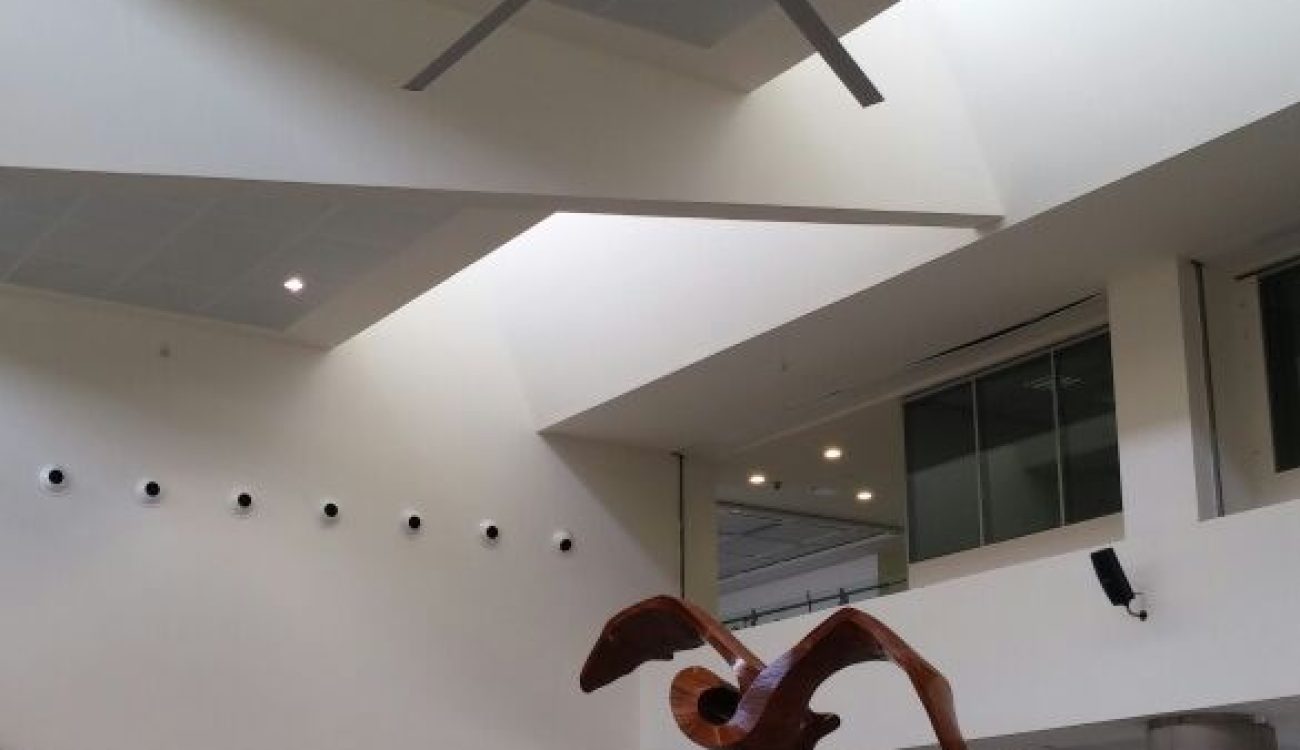
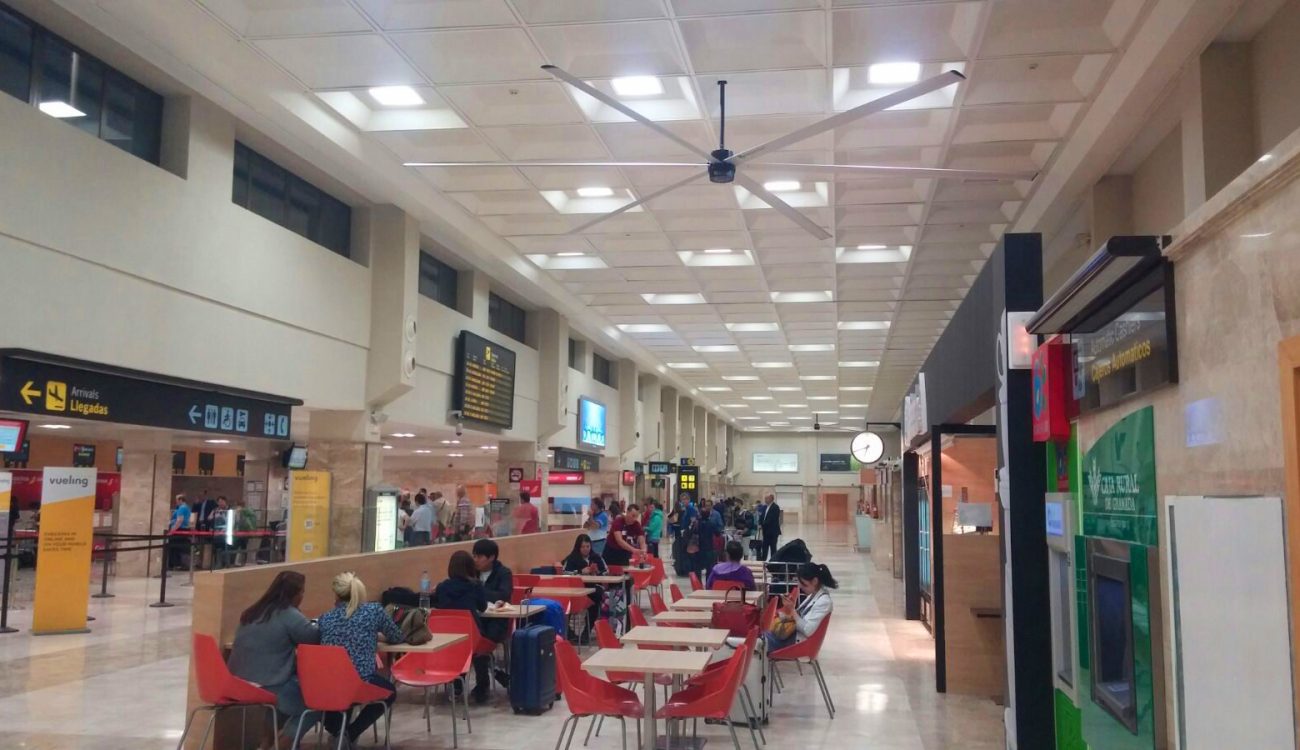
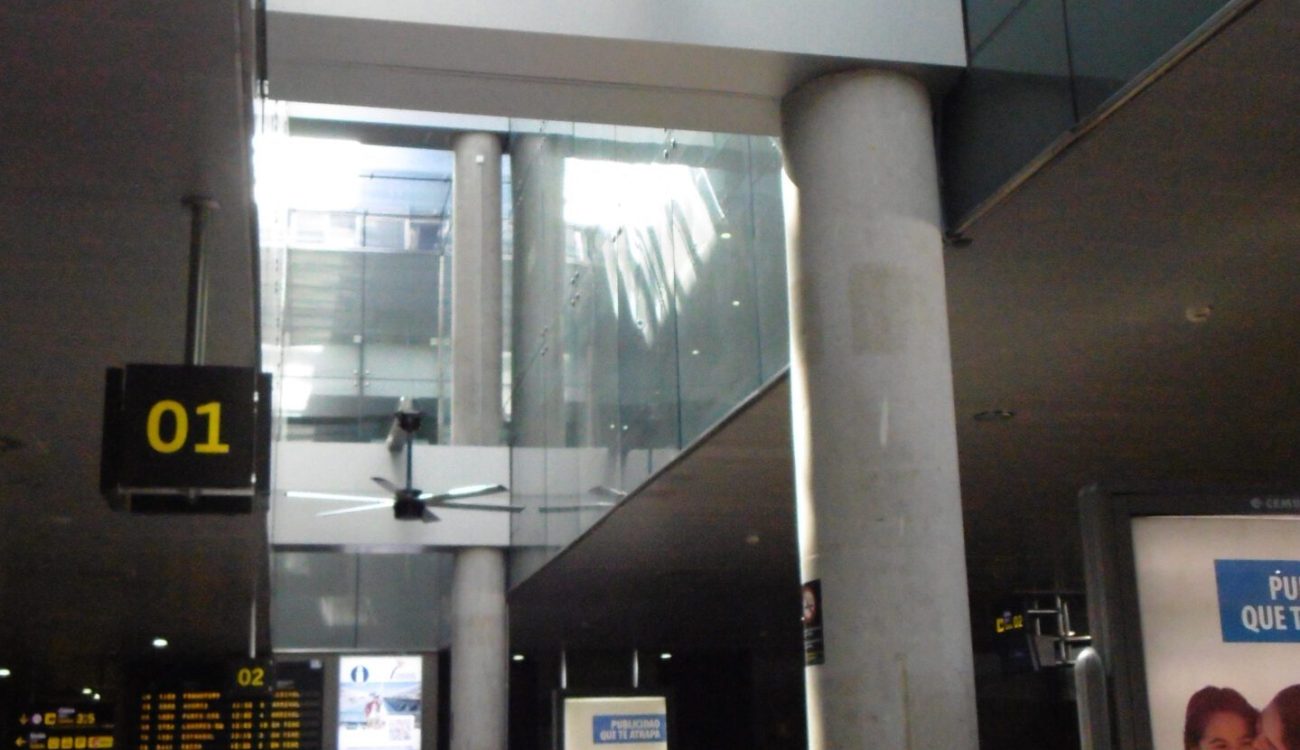
If you have passed through an airport in Spain, there is a good chance you have walked beneath HVLS fans installed by our European partner, Magnovent, now operating in over 20 airports. Closer to home, MegaFan has installed fans at Humberside and Cotswold Airports in the UK. You will find them in departure and arrival halls, security and border control points, baggage reclaim, gate halls and other public spaces.
Behind the scenes, the same technology works in baggage handling areas, vehicle maintenance buildings and, of course, aircraft maintenance hangars. These are huge buildings with huge energy consumption for both cooling and heating. Installing HVLS fans brings large savings in that consumption and improves passenger and staff comfort at the same time.
Every airport building is different. Final fan quantity, positioning and operating strategy should be based on the actual building geometry, ceiling heights, glazing, door positions and the way passengers and staff use each space.
Spanish airports with HVLS fans installed by Magnovent
Air-conditioning saving reported at Valencia Airport
Approximate AirMax 730 coverage

Proven Across Spain
Already Working In Over 20 Spanish Airports
Magnovent was the first company to bring HVLS fans to Europe. Its installations now run in airports across mainland Spain and the islands, in both public terminals and operational buildings.
- Valencia (VLC)
- Alicante-Elche Miguel Hernández (ALC)
- Jerez (XRY)
- Girona-Costa Brava (GRO)
- César Manrique-Lanzarote (ACE)
- Madrid
- Málaga-Costa del Sol (AGP)
- Zaragoza (ZAZ)
- Ibiza (IBZ)
- Santiago-Rosalía de Castro (SCQ)
- Menorca (MAH)
- Federico García Lorca Granada-Jaén (GRX)
- and more
Case Study · Valencia Airport
A Calmer, Cooler Check-In Hall
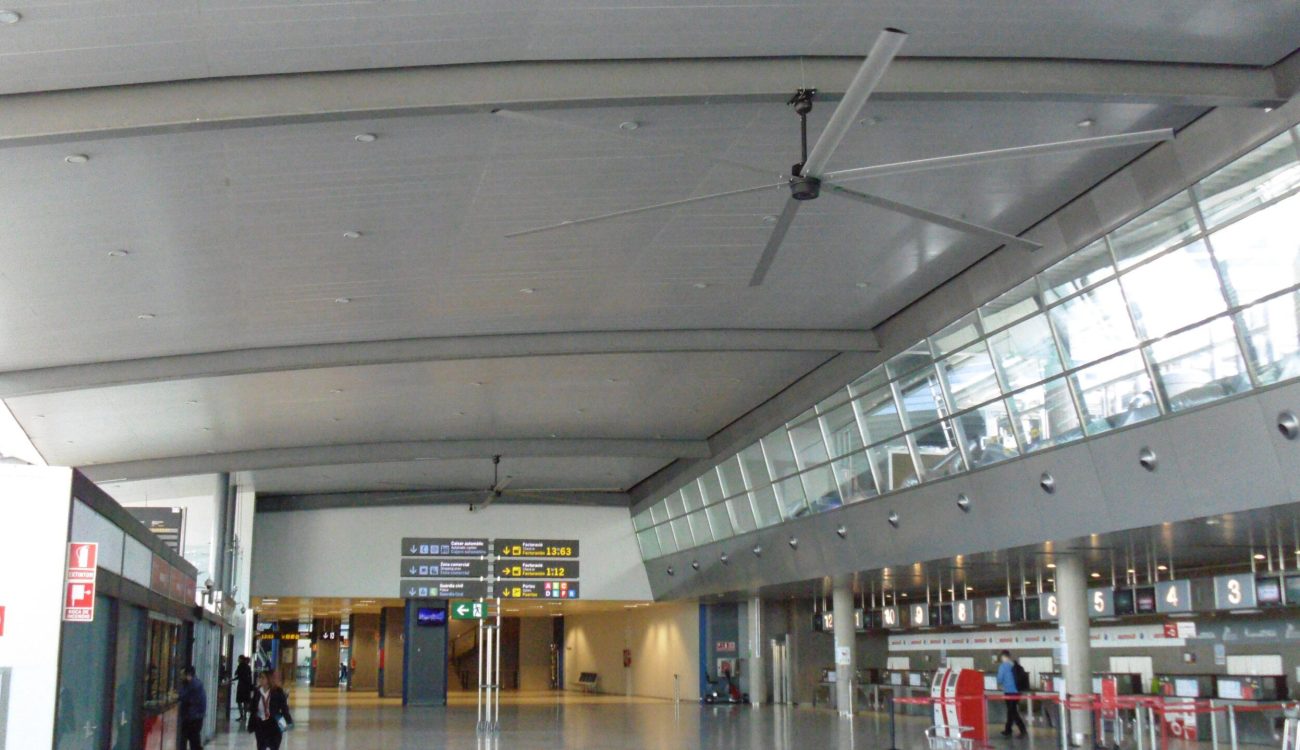
High above Valencia's check-in hall, HVLS fans turn slowly and almost silently. In summer they speed up to create a soft, steady breeze. In winter they push warm air trapped under the roof back down to passenger level.
saved per year on air-conditioning
cooler feel for passengers in summer
upper-to-lower floor difference removed in winter
The cooling effect allowed the airport to raise its air-conditioning set point. In winter the fans evened out the temperature through the terminal, with a reported 40% saving in energy cost.
Measured Results
Cooling Efficiency Results At Valencia Airport
less cooling energy with HVLS fans over 15 days
83,945 kWh against 108,875 kWh
Daily cooling energy in kWh at Valencia Airport over a 15-day period.
Around The World
Proven Technology For Extraordinary Buildings, Worldwide
HVLS fans are now a proven technology in airports across the globe, in passenger terminals, aircraft hangars, cargo terminals and support buildings. In the UK, MegaFan has installed fans at Humberside and Cotswold Airports.
Airports With HVLS Fans Installed, By Country
- United States 23
- Spain 13
- India 7
- China 6
- Australia 2
- Dominican Republic 2
- Malaysia 2
- Philippines 2
- United Kingdom 2
- Canada 1
- Chile 1
- Costa Rica 1
- Curaçao 1
- Indonesia 1





Front Of House
Every Public Space,
From Kerb To Gate
Passengers queue, wait and dwell under some of the highest ceilings they will ever stand beneath. Gentle overhead air movement keeps these spaces comfortable without noise or draughts.
Departure & Check-In Halls
Long queues and full halls build heat quickly. A broad, soft breeze keeps waiting passengers comfortable and spreads conditioned air across the whole hall.
Arrival Halls
Large glazed spaces with constant door traffic. Air movement evens out hot and cold spots near entrances and meeting points.
Security & Border Control
Dense, slow-moving queues where people stand for long periods. Overhead airflow reaches every lane without floor fans in the way.
Baggage Reclaim
Carousels, crowds and waiting time. Steady air movement reduces stuffiness while passengers wait for their bags.
Gate Halls & Lounges
Seated passengers notice discomfort most. Fans run quietly, so they never compete with boarding announcements.
Concourses, Retail & Dining
Long, tall walkways and food courts with high internal heat gains. Airflow carries fresh and conditioned air further along the concourse.
Behind The Scenes
Where The Airport Really Works
Airside buildings are often the largest volumes on the site, and the hardest to heat. They are also where HVLS fans deliver some of the biggest savings.
Aircraft Maintenance Hangars
Tall roofs trap heat far above technicians. Fans return it to working height and help the hangar recover quickly after the doors close. In one published US hangar study, a single HVLS fan cut the floor-to-ceiling difference from about 3.3°C to under 0.5°C.
Baggage Handling Halls
Hot, humid, labour-intensive spaces, often unconditioned. When one US airline fitted 20 HVLS fans in its baggage hall, staff reported feeling around 4–6°C cooler.
Vehicle & GSE Maintenance
Workshops for tugs, fuel bowsers and ground support equipment, with large doors and high roofs. Destratification cuts heating cycles; summer airflow keeps mechanics comfortable.
Cargo & Logistics Sheds
High-bay storage with racking and dock doors behaves like any large warehouse, with the same summer and winter benefits.
Built for hangar conditions
- Mounted high, clear of tails, work platforms and overhead cranes
- Quiet operation, so technicians can still hear engines and each other
- Direct-drive gearless motors with no gearbox oil to drip onto aircraft
- Faster heat recovery after hangar doors are opened to move aircraft
Why Airport Airflow Is Difficult
Vast Volumes, Glass Walls And Constant Movement Create Uneven Conditions
An airport is never one simple open box. Air must travel around queues, check-in islands, retail units, mezzanines, airbridges and doors that open thousands of times a day.
A successful design starts with where people wait and work, rather than simply dividing the floor area by a headline coverage figure.
- Map passenger flows, queues and dwell areas
- Review ceiling heights and roof structure
- Check glazing, solar gain and existing HVAC supply points
- Include entrances, airside doors and hangar doors
- Measure floor and roof temperatures in winter
High Roof Volumes
Warm air rises far above passengers and thermostats, creating thermal stratification and roof-level heat loss.
Glazed Façades
Curtain walls and rooflights bring daylight and views, but also strong solar gain in summer and cold surfaces in winter.
Doors That Never Close
Kerbside entrances, airside doors and hangar doors let in hot, cold or humid outside air all day.
Peaks And Troughs
Banked departures, delays and seasonal schedules change how many people are in each space, hour by hour.
Internal Heat Gains
Lighting, screens, baggage systems, kitchens and thousands of people add heat to already busy zones.
Uneven Ventilation
Conditioned air can short-circuit near diffusers and fail to reach queues and seating far from supply points.
Support Comfort, Energy Efficiency and More Consistent Conditions
HVLS airflow can address several warehouse challenges from one overhead platform when the system is correctly selected and controlled
Improve Passenger Comfort
A soft, even breeze over queues, seating and walkways, without the noise and turbulence of small high-speed fans
Redistribute Trapped Heat
Move warm roof-level air back to passenger height in winter, so heating runs for shorter cycles
Raise Cooling Set Points
Air movement makes people feel cooler, so air-conditioning can run at a higher set point. Each degree raised saves roughly 8% of cooling energy.
Quiet Operation
Large blades turning slowly keep public spaces calm, with nothing to drown out announcements.
Support Existing HVAC
Help heated or conditioned air travel beyond supply points and across large open halls.
Keep Floors Clear
One HVLS fan moves as much air as 40–50 conventional fans, leaving floors free for passengers, trolleys and vehicles.
Control Different Zones
Adjust fans by zone around flight schedules, occupancy, temperature and season.
Simple To Install
No ductwork. Fans fix to the roof structure, so installation causes minimal disruption to a live terminal.
One System, Two Seasonal Strategies
Summer Cooling And
Winter Destratification
Airport conditions change throughout the day and the year. Fan speed and control strategy change with them.
Summer Operation
- Create a steady breeze over queues, halls and gate seating
- Let air-conditioning run at a higher set point
- Speed rises automatically with temperature, from 20°C to full speed at 30°C
- Cool baggage halls and hangars that have no air-conditioning
Winter Operation
- Run at low speed, with no draught on passengers
- Return roof-level heat to passenger and working height
- Destratify to within 0.5°C from floor to ceiling
- Save 45% of heating gas costs through reduced heating cycles
Airport HVLS Fan Questions
How Do HVLS Fans Help Airports?
HVLS fans move a high volume of air across a broad area at low speed. In terminals they improve comfort in queues, halls and gate areas, help air-conditioning run at a higher set point, redistribute trapped roof-level heat in winter and help existing fresh or conditioned air reach more of the building. Airside, they do the same for hangars, baggage halls and workshops.
Are HVLS Fans Quiet Enough For Passenger Areas?
Yes. Large blades turning slowly create a soft breeze without the noise and turbulence of small high-speed fans, so they do not compete with announcements. That is why they are already running in check-in halls, gate halls and baggage reclaim across Spain.
Can HVLS Fans Reduce Airport Heating Costs?
Yes. Warm air collects under high terminal and hangar roofs, where it is lost through the building fabric. HVLS fans return it to floor level and destratify the space to within 0.5°C from floor to ceiling, so heating runs for shorter cycles. MegaFans save 45% of heating gas costs over the heating season. As the University of Liverpool MegaFan case study by Dr. James Forrest and Prof. Ieuan Owen shows, the higher the building, the greater the savings.
Can HVLS Fans Reduce Air-Conditioning Costs?
Yes. Moving air makes people feel cooler than the air temperature, so the air-conditioning set point can be raised, saving roughly 8% of cooling energy per degree. Valencia Airport reported saving around €600,000 a year on air-conditioning after HVLS fans were installed.
Are HVLS Fans Suitable For Aircraft Hangars?
Very. Hangars are among the tallest buildings on an airport, with large doors that are opened to move aircraft. HVLS fans are mounted high and clear of aircraft, recover heat quickly after the doors close and give technicians a cooling breeze in summer.
Which MegaFan Is Best For A Terminal Or Hangar?
For large, high spaces the AirMax range is usually the starting point, with the AirMax 730 covering up to around 2,325 m². AirWall fans can be added where air exchange is needed. The final selection depends on ceiling height, layout, obstructions and how each zone is used, so we recommend a survey.
Which Airports Already Use HVLS Fans?
Our European partner Magnovent has installed HVLS fans in over 20 Spanish airports, including Valencia, Alicante-Elche Miguel Hernández, Jerez, Girona-Costa Brava, César Manrique-Lanzarote, Madrid, Málaga-Costa del Sol, Zaragoza, Ibiza, Santiago-Rosalía de Castro, Menorca and Federico García Lorca Granada-Jaén. In the UK, MegaFan has installed fans at Humberside and Cotswold Airports. Worldwide, HVLS fans are installed in at least 64 airports across 14 countries.